
XML vs HTML: What’s Better For Structured Publishing
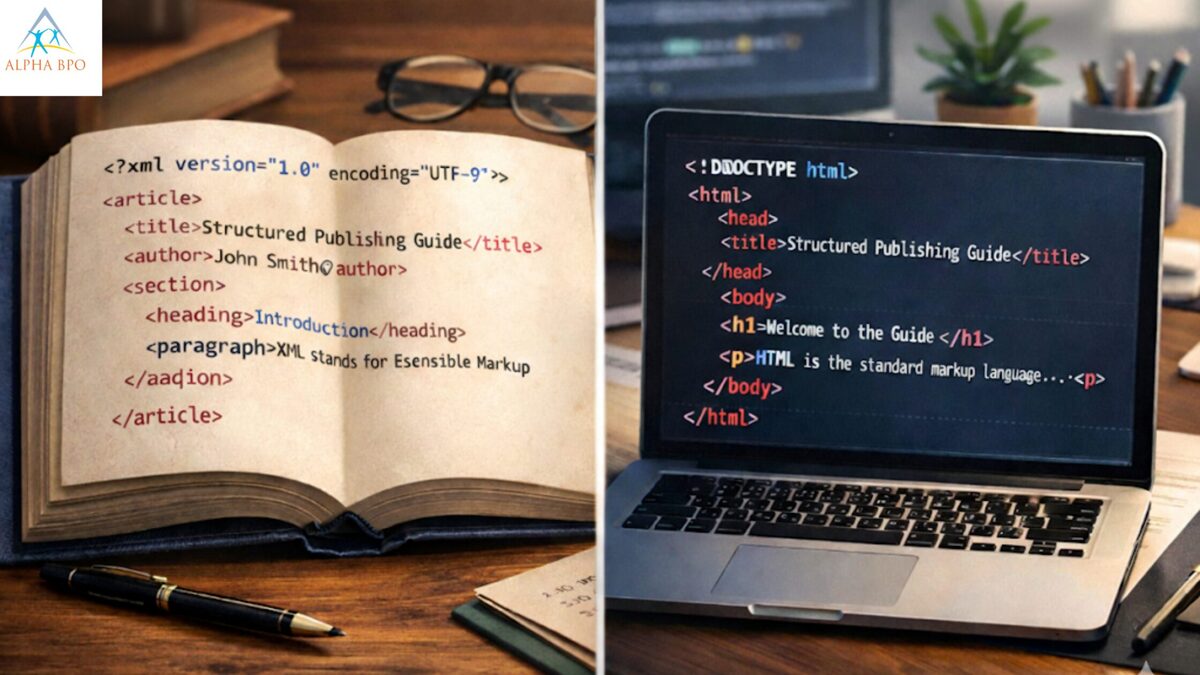
For most website developers, deciding between XML and HTML for publishing data and content online is challenging. However, enterprises handle large volumes of digital information that should be managed, stored, organized, and published effectively in a demanding content-driven environment.
Structured publishing plays a decisive role in managing content across different platforms, ranging from technical manuals and books to research documents and product catalogs. Selecting the right format is necessary for long-term usability.
Many institutions rely on professional XML conversion services to prepare their content for structured publishing, but HTML is also widely used as a markup language. Understanding the differences between XML and HTML can help you decide which option fits your publishing needs. This blog provides a clear idea about choosing HTML and XML for structured publishing.
The Significance Of Structured Publishing
A structured publishing process focuses on organizing content in a unique way that separates information from its design. Rather than developing separate versions for mobile, web, and print, structured content lets you organize information once and publish it across different formats.
This proactive approach increases uniformity, reduces manual work, and makes content easier to update. For this reason, both XML and HTML support digital publishing, but they serve different purposes and provide different levels of control.
A Brief Overview of XML
Extensible markup language, or XML, is designed to securely store and transport data in a structured and meaningful way. Unlike HTML, XML does not focus on the appearance of content. Instead, it defines what the content represents.
You can develop custom XML tags that perfectly describe the structure of your content. For instance, tags can identify titles, product specifications, chapters, or author details. This process makes XML highly flexible and suitable for difficult publishing projects.
One of the remarkable benefits of XML is its support for content reuse. A single XML file can be converted into multiple formats using data conversion services, including web pages, ebooks, PDFs, and mobile layouts.
This function makes it a strong choice for organizations that handle large content libraries and require frequent updates. Enterprises often use XML data conversion to turn existing documents into structured XML files. After conversion, the content becomes easier to find, search, manage, and repurpose across different platforms.
A Short Insight Into HTML
HyperText Markup Language, or HTML, is the standard language used to develop web pages. Its primary purpose is to display content in a browser and control how that content appears to users. The HTML uses predefined tags to structure texts, images, multimedia elements, and links.
This markup language focuses on presentation and layout instead of detailed content structure. For example, HTML defines tables, headings, and paragraphs, but it does not provide detailed meaning about the information itself.
HTML works well for online content and websites where user experience and visual presentations are the primary priorities. It is widely supported, simple to use, and ideal for publishing content that does not need complex structuring.
Primary Parameters Of Differences Between HTML and XML
Flexibility
XML enables you to develop custom tags according to your content requirements. This flexibility makes it a suitable option across multiple industries, including technical documentation, manufacturing, publishing, legal services, and healthcare. In contrast, HTML uses fixed tags, which limit its ability to represent complex data structures.
Function and Purpose
The most critical difference between HTML and XML lies in their purposes. HTML is created to display content, whereas XML is especially designed to organize and store data.
XML is the better option if your primary objective is multiple-channel publishing and structured content management. HTML format works perfectly when you only need to highlight content on a website.
Maintenance And Updates
Updating XML content becomes easier because the structure is distinct from the design. Changes can be made once and applied across all formats. HTML updates often require editing individual pages, which can take longer when managing large volumes of content.
Content Reusability
XML supports content reuse across different formats, which increases your business efficiency. After the content is stored in XML, it can be converted into different outputs without rewriting it. On the contrary, HTML content is typically created for a single purpose and often needs manual changes for different platforms.
When To Select XML For Structured Publishing
XML is a strong option when your organization handles large amounts of content that need to be published, reused, and updated across multiple channels. This format is especially useful for multiple things, such as:
Compliance and legal documents.
Digital publishing and eBook.
Technical Documentation.
Product catalogs and manuals.
Academic and research publishing.
Many companies thoughtfully invest in conversion to XML format to modernize their content workflows. Structured XML helps improve uniformity, reduce errors, and support long-term content management.
When HTML Is The Better Option
HTML is ideal for critical situations where the primary objective is to showcase information online rather than managing large content volumes. It works best for different tasks, such as:
Simple articles and web-based resources.
Blogs and website pages.
Marketing content and landing pages.
For institutions that want to publish content on the web only and do not require multi-format output, HTML is an effective, simple solution.
The Decisive Role Of Professional Conversion Solutions
Many businesses already have content stored in secure Word files, outdated legacy systems, and PDFs. Manually converting this content to XML or HTML can be time-consuming and error-prone.
Professional data conversion services help institutions efficiently process large volumes of content while maintaining accuracy and structure. These services support different formats and confirm that creative content meets higher publishing standards.
If you need document conversion for web publishing and structured XML for multi-channel distribution, professional, customizable solutions can align the process and minimize operational efforts.
Find The Perfect Selection For Structured Publishing Between XML and HTML Using XML Conversion Services
Both XML and HTML play vital roles in digital publishing, but they serve different requirements. HTML is the perfect choice for presenting content online. In contrast, XML offers a powerful solution for structured publishing, content reuse, and multiple platform distribution.
If your institution manages large volumes of information or plans to deliver content across different channels, XML offers long-term value and greater flexibility. Partnering with trustworthy data conversion services can further simplify the movement by confirming your content is accurately uniform, structured, and ready for scalable publishing. By selecting the right format and support, you can develop a workflow that is efficient, easy to manage, and future-ready as your content grows.Common File Problems Found In Prepress Workflows
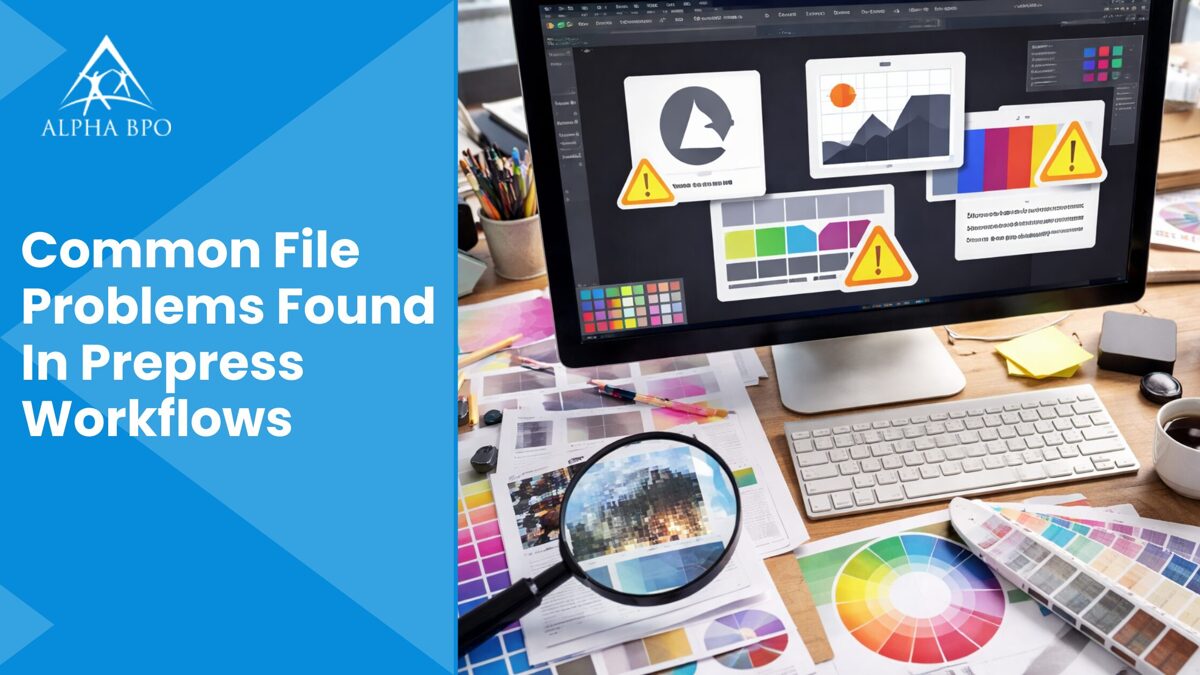
Many businesses and organizations rely on prepress workflows to further process digital designs before printing. In this regard, prepress is the stage where ideas become print-ready files. The complete process looks easy from the outside, but experienced professionals working behind the scenes know how many things can go wrong before a print job reaches the press. Even a minor file error can cause costly reprints, delays, or quality issues.
Understanding common file issues in prepress workflows helps printers, marketers, and designers avoid costly mistakes while using professional prepress services to achieve better results. This blog highlights the common file issues encountered during prepress activities.
A Complete List Of File Issues In Prepress Operations
Font Problems That Change Your Design at Print Time
The most frequent issue in prepress work is missing fonts. A file may look perfect on the designer's system, but appear completely different when opened elsewhere. This process occurs primarily when fonts are not properly outlined or embedded.
For example, using packaging files or standard fonts correctly can avoid this serious problem. If you work with Adobe InDesign, always use the package feature before sharing files. This process ensures images, fonts, and links transfer together by minimizing the risk of unexpected font replacements.
Bleed and Trim Errors That Cause Costly Reprints
Information like bleed and trim settings is a minor detail with significant results. White edges on the design may appear after trimming due to insufficient bleed. Also, incorrect trim marks can confuse the printer and cause misaligned cuts.
It is recommended to always set bleed values according to the printer's specifications and to double-check trim marks carefully. Various professional designers rely on InDesign templates that already contain bleed settings and the correct margin. This simple practice helps avoid last-minute corrections and ensures greater accuracy throughout the prepress process.
Incorrect Color Modes
High-end color issues can lead to significant disappointment if not appropriately handled. A variety of files created in RGB format may appear vibrant and dynamic on screen, but print with dull or unexpected colors. Always print in CMYK color mode. It becomes necessary to convert colors correctly and review proofs carefully before sending files to print.
Spot colors should be clearly defined and used only when necessary. A well-organized color process during prepress printing ensures color consistency, decreases errors, and helps meet client expectations.
Broken Image Links That Delay Production
Missing or broken image links are a common cause of delays in prepress workflows. When the files are renamed or moved, links can fail without warning. Update and relink all images before final submission.
Packaging the file during prepress printing is again a best practice because it consolidates all linked assets into a single folder. This process ensures the printer receives everything required for smooth production.
Transparency and Overprint Mistakes That Lead to Misprints
Overprint settings can yield unexpected results if not carefully reviewed. Objects or text set to overprint may disappear or integrate strangely with background colors. Similarly, transparency effects can cause problems during the flattening process when not handled correctly. To achieve perfect results, it is necessary to preview overprint settings and flatten transparency as required, using professional prepress services.
These checks help ensure the final output matches the needed design and prevent misprints on press.
Low-Resolution Images That Reduce Print Quality
Low-resolution images are another primary concern while preparing files for large-format printing. Images that appear perfect on screen may look pixelated or blurry once printed, impacting overall print quality.
This process primarily occurs when a variety of web images are used rather than print-ready files. Images should generally be 300 DPI at the final size for high-quality print output.
Scaling up small images can decrease their clarity. So, it is best to place images at the correct size from the start. A reliable printing identifies these issues, but identifying them early saves time and frustration.
Incorrect Orientation or Page Size
Another common issue in prepress workflows is incorrect page size or orientation. Files may be designed with inconsistent page settings or inaccurate dimensions. This process primarily increases the printers' setup time.
It is best practice to confirm the final trim size before starting a project. Consistent page settings throughout the document during prepress services help prepress teams process files more efficiently and reduce the risk of issues.
Absence Of Preflight Checks During Prepress Printing
Skipping preflight checks in prepress printing is a significant cause of problems. Reliable preflight tools identify critical issues, such as missing fonts, low-resolution images, and color mismatches, before files in prepress workflows reach the printer.
Many experienced designers rely on built-in preflight functions or professional review services. An editorial designer working on books or magazines knows the value of a complete preflight, especially when handling large documents with many linked elements.
Why Prepress Review Matters The Most In Prepress Workflows?
Prepress is more about resolving errors. It is about protecting budgets, quality, and timelines. A careful review confirms that the files meet the desired technical standards and print exactly as expected.
Working with experienced teams and following best practices during prepress printing helps decrease revisions and build customer trust. Clear interaction between designers and printers plays a substantial role in successful results.
Gain The Maximum Design Accuracy By Preventing File Problems In Prepress Workflows
File issues in prepress work are common, but most of them can be avoided withthe right approach. Paying close attention to colors, fonts, images, and layout details makes a noticeable difference in overall print quality and supports smooth prepress printing.
Simple habits such as using proper templates, running preflight checks, and packaging files correctly can save hours of rework. By understanding common prepress problems and preparing files with care, enterprises and designers can achieve smoother production and uniformly better results. A small amount of additional effort during file setup goes a long way in delivering printed files that look polished, precise, and professional.
The Role Of Packaging In Brand Identity
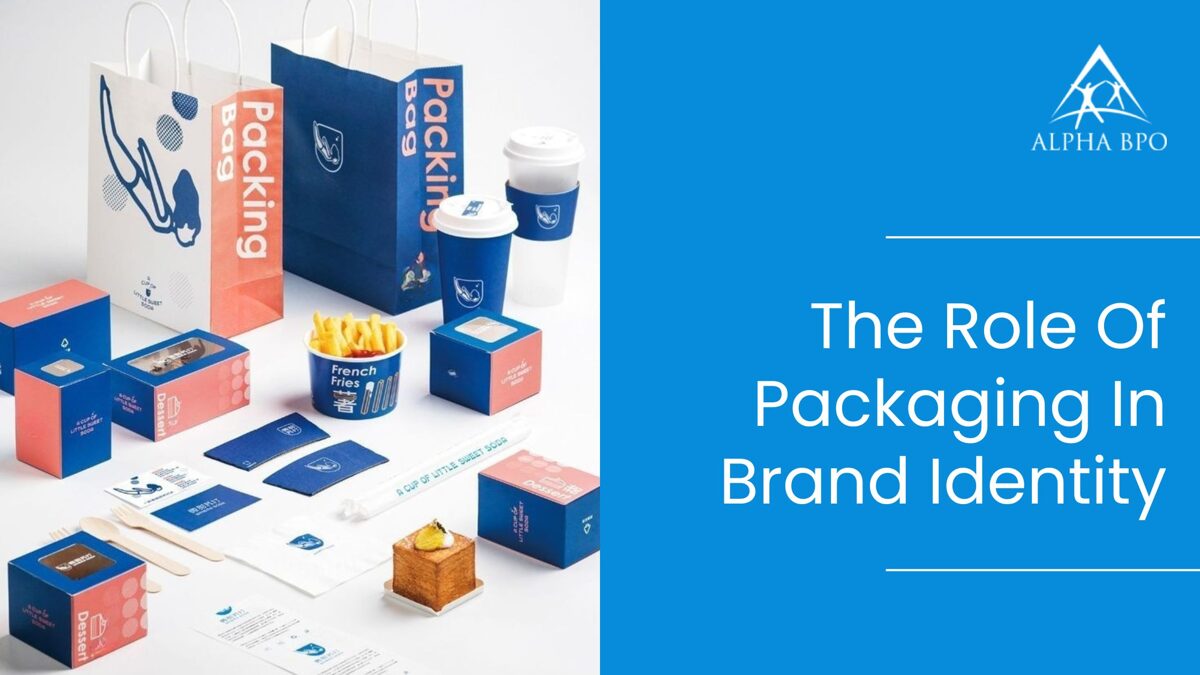
As advanced manufacturing and packaging techniques and tools become increasingly adopted, businesses rely on them to enhance their brand presence. However, in today's competitive marketplace, product packaging is more than a protective layer.
It becomes the first interaction a client has with a brand, shaping expectations and emotions before the product is even used. When supported by professional prepress printing services, packaging becomes a valuable tool for consistently and clearly communicating brand identity.
From typography and colors to finishes and materials, thoughtful packaging helps popular brands stand out and create a lasting impression.
Reasons Why Packaging Matters More Than Ever
Numerous choices surround modern consumers. Whether on an online listing or crowded shelves, product packaging helps capture attention in a fraction of a second. Strong brand packaging helps clients quickly identify a product and link it with trust, quality, and innovation.
This immediate connection supports brand recognition and influences how a product is recognized compared to competitors. Packaging and branding work together to tell a story. When messaging, visuals, and structure align with the brand's values, a prepress services provider helps create packaging that becomes an extension of the brand, rather than just a marketing strategy.
Packaging As A Visual Representation Of The Brand
Packaging is primarily described as a silent salesperson. Without saying a word, it communicates the brand's personality.
Minimal designs mainly convey elegance and experience, while graphics and bold colors can convey energy and creativity.
Every design choice contributes to the brand image clients form in their minds. Regular packaging design across all products also strengthens brand recognition.
Advanced printing software is used to translate creative packaging ideas into physical form. When customers can instantly identify your product from a distance, it indicates that your brand identity is clear and well-defined. Over time, this regularity develops trust and familiarity.
The Emotional Impact Of The Product Unboxing Experience
The unboxing experience has become a core part of client engagement, especially in the e-commerce industry. Opening a product package should feel intentional and satisfying. Thoughtful details such as a neat presentation, high-quality materials, and clear labeling can turn a simple product delivery into a memorable experience.
A complete positive unboxing experience encourages customers to share their product purchase on popular social media platforms, creating organic visibility for the brand. This basic emotional connection primarily drives repeat purchases and strengthens the brand-customer bond.
Protecting The Product While Improving Perception
While aesthetics and design are necessary, engaging packaging also protects the product. Accidental damage during transportation can erode customer trust and adversely affect purchasing decisions. Reliable, strong product packaging ensures items arrive in excellent condition, reflecting the brand's commitment to quality.
Professional prepress services ensure businesses receive packaging that protects the product, maintains visual appeal, and conveys professionalism. Customers relate well-designed, sturdy packaging with utmost care and product reliability, strengthening the brand's identity as trustworthy and customer-focused.
The Pivotal Role Of Precision and Quality In Product Packaging
Accuracy and precision are vital in packaging production. Errors in colors, text, or alignment during prepress printing services can weaken brand credibility. High-quality printing software and finishing operations help ensure product packaging is consistent and error-free across batches.
In this regard, it is the perfect area where automated quality control and advanced processes play a decisive role. Clean typography, clear graphics, and precise color matching are all parameters that will contribute to a polished final product.
When product packaging is consistent and professional, customers are more likely to trust the brand.
Packaging and Product Purchasing Decisions
Packaging has a direct impact on product purchasing decisions, more than brands realize. Clients frequently judge a product by its engaging packaging before trying it. Clear information, practical design elements, and attractive visuals help potential customers feel confident about their primary selection.
Well-designed packaging also communicates value. A professional prepress service provider enables brands to use premium materials and finishes, which can justify higher pricing. Instead, simple, practical packaging may attract budget-conscious buyers.
In both practical cases, engaging product packaging helps guide customers toward the product that feels right for them.
Creating Long-Term Brand Value Through Packaging
Product packaging becomes a familiar part of the brand's identity over time. Potential customers begin associating specific shapes, colors, or textures with the brand's identity. This familiarity builds loyalty and makes it easier for brands to introduce new popular products under the same visual system.
Investing in thoughtful and consistent product packaging design supports long-term brand growth. It ensures that each product launch is successful through effective prepress services and stays aligned with the brand's core values, while still leaving room for innovation and creativity.
Boost Brand Identity Using Professional Prepress Printing Services In Product Packaging
Packaging plays a decisive role in transforming how clients see and experience a brand. The process supports widespread brand recognition, improves the unboxing experience, and helps secure the product while spreading quality and trust.
When a reliable prepress service provider supports functionality, accuracy, and design, product packaging becomes a decisive brand advantage rather than a necessity. For many brands and businesses looking to strengthen their brand image, focusing on packaging is necessary.
The process is a strategic decision that impacts client perception, builds emotional connections, and supports lasting success in a competitive market.